
What Medical Buyers Need to Know About Pressure Extension Tubes for Infusion and Pressure Monitoring
What Is a Pressure Extension Tube and Why It Matters in Clinical Practice
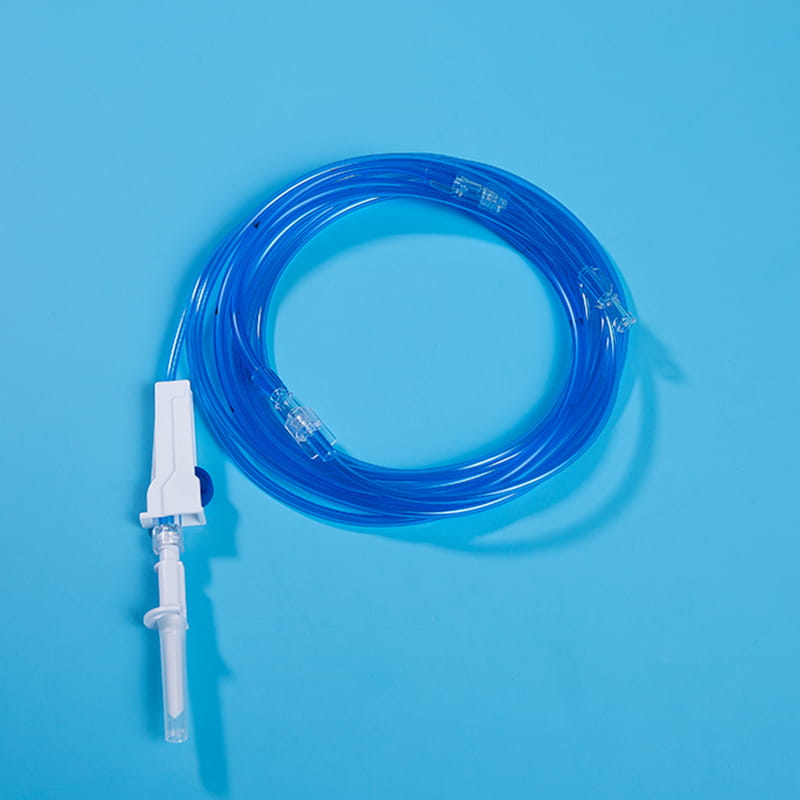
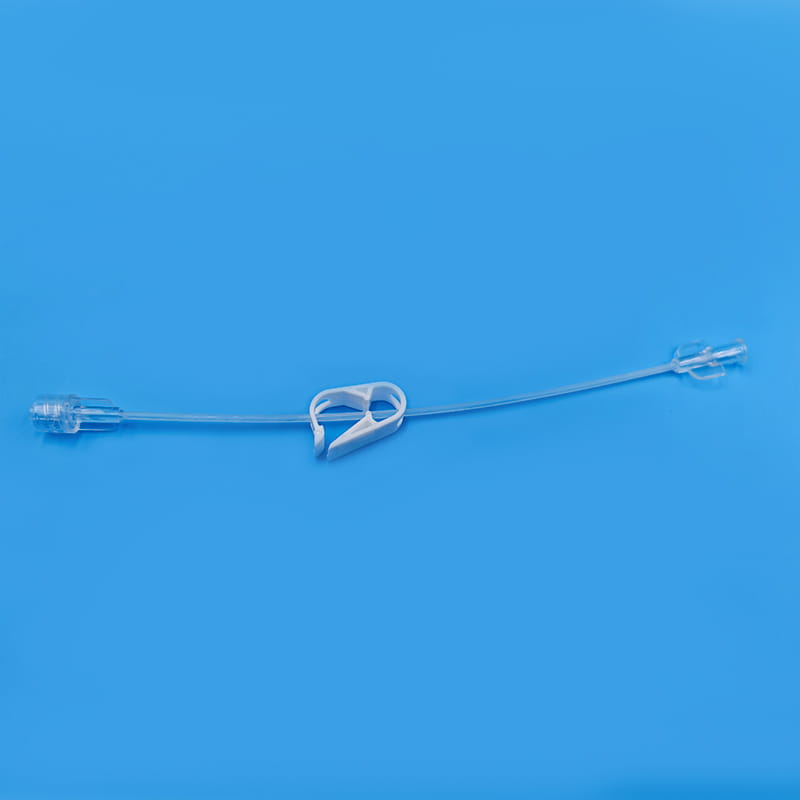
A pressure extension tube is a single-use medical connecting line engineered to extend infusion circuits and invasive blood pressure monitoring systems. It bridges the gap between syringes, transducers, IV sets, and catheters, allowing clinicians to manage fluid delivery and pressure readings without disrupting the sterile field or introducing unnecessary disconnections.
In modern hospitals, the demand for reliable extension tubing has grown alongside the increasing complexity of intensive care. A typical ICU patient may require simultaneous infusion of vasoactive drugs, continuous arterial pressure monitoring, and periodic blood sampling. Each of these tasks depends on secure, leak-free connections that maintain both fluid integrity and pressure signal accuracy.
For procurement teams and distributors, understanding the technical distinctions between standard infusion extension lines and high pressure extension tubes is essential. Choosing the wrong product can lead to inaccurate hemodynamic readings, fluid leakage, or even patient safety incidents. This article provides a practical, specification-driven overview for B2B buyers evaluating pressure extension tube suppliers.
How a Pressure Extension Tube Is Constructed
Despite its simple appearance, a pressure extension tube consists of several precision-engineered components. Each part contributes to safety, flow performance, and compatibility with existing hospital equipment.
Core Components
- Tubing: Medical-grade PVC or TPU, selected for flexibility, clarity, and pressure resistance.
- Connectors: Male and female luer lock fittings that prevent accidental disconnection.
- Flow control: Optional roller clamp for manual regulation of infusion rate.
- Sterile barrier: Individual peel-pouch packaging with EO sterilization.
Standard vs High Pressure Extension Tube
The term high pressure extension tube refers to tubing designed to withstand the elevated pressures generated during invasive blood pressure monitoring or rapid bolus injection. Standard infusion extension tubes are typically rated for gravity-fed or pump-assisted infusion, while high pressure variants must maintain structural integrity under pulsatile pressure waveforms.
Key Features Buyers Should Evaluate in a Disposable Pressure Extension Tube
When sourcing disposable pressure extension tube products, procurement teams should verify a defined set of performance and compliance characteristics. The following checklist reflects the criteria most commonly applied by hospital device committees and medical importers.
| Feature | Why It Matters | Typical Specification |
|---|---|---|
| Luer lock connector | Prevents accidental disconnection under tension | Male and female, ISO 594 compliant |
| Roller clamp | Enables manual flow regulation without extra devices | Smooth-glide, non-cracking |
| Pressure resistance | Maintains accuracy during hemodynamic monitoring | Up to 500 psi burst for high pressure models |
| Sterilization | Reduces infection risk in invasive procedures | EO sterile, single use |
| Material transparency | Allows visual inspection of fluid and air bubbles | Clear PVC or TPU |
| Length options | Matches different clinical setups and patient needs | 10 cm to 200 cm, customizable |
Beyond the physical product, B2B buyers increasingly prioritize supplier documentation. A medical infusion extension tube that ships with complete technical files, biocompatibility reports, and sterilization validation is significantly easier to register in target markets.
Clinical Applications of Pressure Monitoring Extension Lines
The pressure monitoring extension line is not limited to a single department. Its uses span multiple clinical environments, each with distinct requirements.
Intensive Care and Operating Rooms
Invasive blood pressure monitoring requires a dedicated extension line connecting the arterial catheter to the pressure transducer. Signal fidelity depends on tubing stiffness, internal diameter, and the absence of compliant segments that could damp the waveform.
Infusion Therapy and Drug Delivery
When multiple IV lines converge at a single access point, extension tubing reduces the need for repeated venipuncture and minimizes contamination risk. A luer lock extension tube with roller clamp allows nurses to titrate flow rates without manipulating the primary infusion set.
Emergency and Transport Settings
During patient transport, extension lines provide additional slack for movement without pulling on catheters. The secure luer lock mechanism is particularly valuable when the patient is transferred between stretchers or imaging tables.
- Invasive blood pressure monitoring
- IV infusion and intermittent drug injection
- Operating room, ICU, and emergency ward
- Medical transducer connection
- Blood sampling through closed systems
Technical Specifications and Customization Options
Pressure extension tubes are available in a range of configurations to suit different clinical protocols and regional preferences. The table below summarizes the most common specification parameters requested by medical distributors and OEM clients.
| Parameter | Standard Options | Customization Available |
|---|---|---|
| Material | Medical PVC, TPU | Yes |
| Connector type | Male luer lock, female luer lock | Yes |
| Roller clamp | With or without | Yes |
| Length | 10 cm, 30 cm, 50 cm, 100 cm | Yes |
| Sterilization | EO sterile | Yes |
| Packaging | Peel pouch, bulk | Custom printing |
| Certification | CE, ISO13485 | Documentation support |
| MOQ | Negotiable | Flexible for bulk orders |
For OEM projects, tubing durometer, connector color, and packaging artwork can all be adapted. These adjustments help distributors differentiate their product line while maintaining compliance with local regulatory requirements.
Why Quality Control Determines Pressure Extension Tube Performance
A pressure extension tube may appear to be a commodity item, but subtle manufacturing variations can produce measurable differences in clinical performance. Buyers should look for suppliers that apply consistent quality control across the following stages.
- Incoming material inspection: Verification of resin grade, tubing dimensions, and connector tolerances.
- In-process testing: Leak tests, pull strength checks, and flow rate verification.
- Sterilization validation: Documented EO cycle parameters and residual limits.
- Final release: Sampling according to AQL standards, with traceability records.
Suppliers that maintain ISO13485 certification and can provide CE technical files reduce the regulatory burden on importers. This is especially important in markets where a pressure extension tube is classified as a sterile single-use device requiring notified body involvement.
Frequently Asked Questions About Pressure Extension Tubes
Q1: What is a pressure extension tube used for?
A pressure extension tube connects infusion devices, syringes, and pressure transducers to catheters or IV access points. It is used for fluid delivery, invasive blood pressure monitoring, and closed blood sampling in critical care settings.
Q2: Is the pressure extension tube single use?
Yes. Most pressure extension tubes are designed for single use and are sterilized with ethylene oxide. Reusing a disposable pressure extension tube can compromise sterility and pressure integrity.
Q3: What is the difference between a pressure extension tube and a normal infusion extension tube?
A high pressure extension tube is engineered to withstand the pulsatile pressures of hemodynamic monitoring, while a standard infusion extension tube is intended for gravity or pump infusion. The tubing wall thickness and material formulation differ between the two.
Q4: Can you provide custom length luer lock extension tube?
Yes. Custom lengths, connector colors, and packaging options are available for OEM and distributor orders. Minimum order quantities vary by configuration.
Q5: What certifications do your disposable pressure extension tube products have?
CE and ISO13485 documentation is available. Additional regional registrations can be supported depending on the target market.
Q6: What is the MOQ for bulk order?
MOQ depends on the specific configuration, packaging, and customization requirements. Flexible terms are offered for medical distributors and long-term OEM partners.
Q7: How should pressure extension tubes be stored?
Store in a cool, dry place away from direct sunlight. Keep the sterile packaging intact until use. Check the expiration date before opening.
Get the Latest Price of Pressure Extension Tube
If you are sourcing disposable pressure extension tubes for hospital supply, distribution, or OEM projects, request the product datasheet and a competitive quotation. Specifications, certification documents, and customization options are available on request.
For more information, please call us at +86-18913710126 or email us at .
What Is a Pressure Extension Tube and Why It Matters in Clinical Practice A pressure extension tube...
Polyimidrør har blitt uunnværlig i moderne medisinsk utstyrsteknikk. Fra minimalt invasive...
Forstå FEP Guidewire Protective Sheath Tubing Minimalt invasive medisinske prosed...
A medisinsk peristaltisk pumpeslange er en spesialisert væskeoverføringskomponent d...
Utviklingen av katetervisualiseringsteknologi Minimalt invasive prosedyrer har fundament...
Forstå medisinske katetre i moderne helsevesen Medisinsk utstyr har revolusjonert pasien...